
About Prof. Dr. med. Christian T. Thiel-Hirschmann
Academic human genetics with senior clinical leadership, proven translational research performance and decision-ready expertise for courts, insurers and legal professionals.

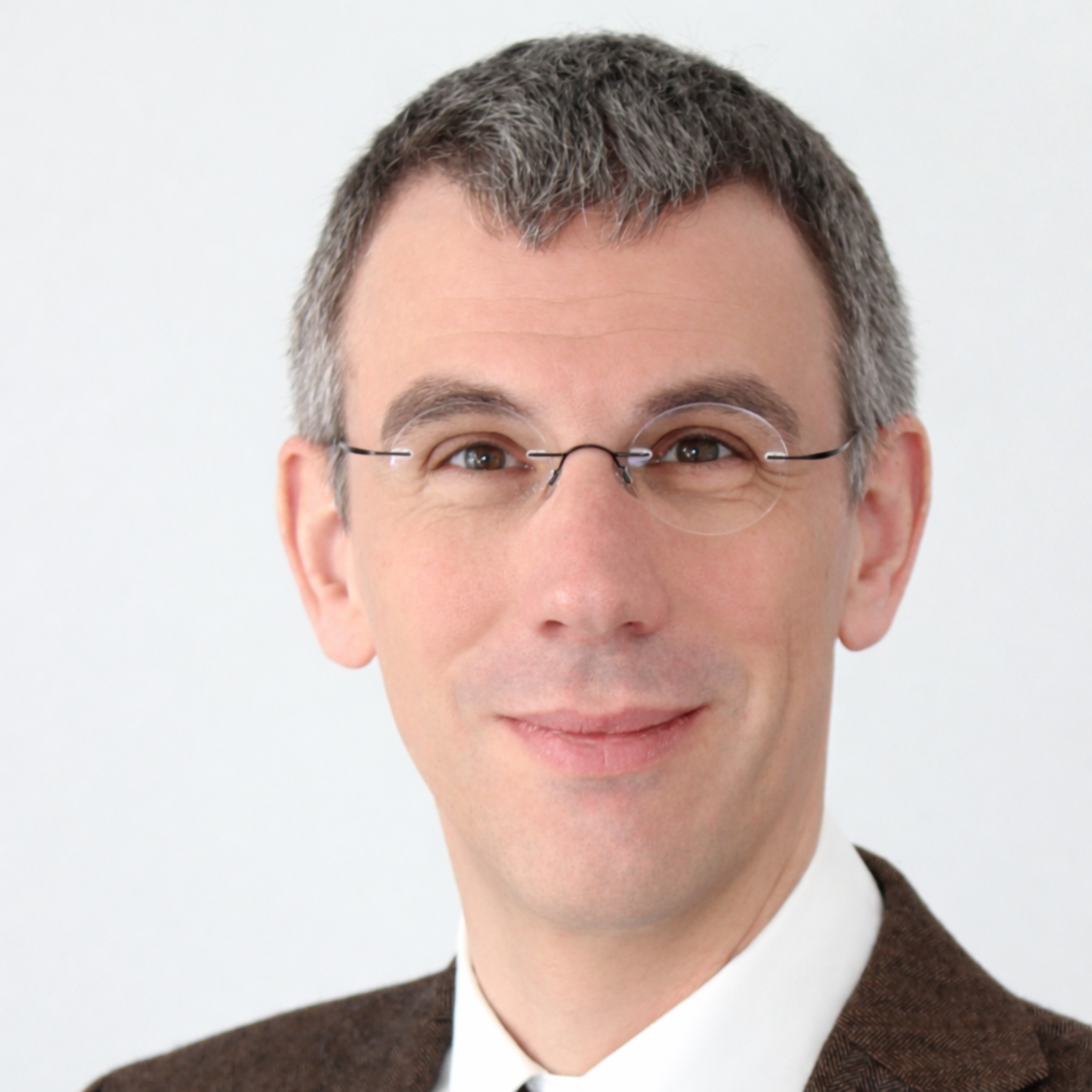
Prof. Dr. med. Christian T. Thiel-Hirschmann, MBA
Board-certified specialist in human genetics, adjunct professor and senior consultant at the Institute of Human Genetics, University Hospital Erlangen. Since 2012 he has acted on behalf of the institute director in clinical, academic and strategic matters, combining diagnostics, patient care, bioinformatics and scientific translation in one profile.
His professional development is defined by more than 25 years of clinical genetics, the establishment and optimisation of diagnostic NGS structures, and research into rare disorders, growth disorders and skeletal dysplasias.
Leadership and integration
His clinical work is closely integrated with paediatrics, oncology, gynaecology, cardiology and neurology. This includes contributions to multidisciplinary boards, the rare disease and personalised medicine centres, oncogenetic structures and the national genome sequencing model programme under §64e SGB V.
- since 2012: Senior consultant, Institute of Human Genetics, University Hospital Erlangen
- since 2009: Independent research group and principal investigator
- since 2020: Adjunct professor of human genetics, FAU Erlangen-Nürnberg
- since 2021: Executive MBA with focus on management and strategy
NGS, quality and process development
A core focus lies in the design, quality-assured implementation and continuous improvement of diagnostic genome workflows. This includes co-development of the NGSVA platform, now used across in-house diagnostics and clinical partner settings.
- strategic contributor to the Core Unit NGS
- co-development of the NGSVA platform for variant analysis
- support for DAkkS accreditation and diagnostic quality KPIs
- reduced turnaround times in prenatal and tumour diagnostics
Expert reporting value grounded in clinical depth and scientific range
For courts and insurers, the decisive question is rarely the mere existence of a genetic finding. What matters is whether the finding can be interpreted reliably within its clinical, methodological and prognostic context. That is precisely where a university-based human geneticist with translational research, diagnostic process responsibility and long-standing clinical experience adds value.
Typical strengths
- clear separation of findings, evidence and conclusion
- robust interpretation of rare variants and genotype-phenotype correlations
- language suitable for courts, insurers and legal professionals
Typical subject areas
- rare genetic disorders
- growth disorders and skeletal dysplasias
- exome and genome findings, causality and prognosis
Commission specialised human genetics expertise directly
A short preliminary review of the available records can be used to define scope, timing and documentation requirements before formal instruction.